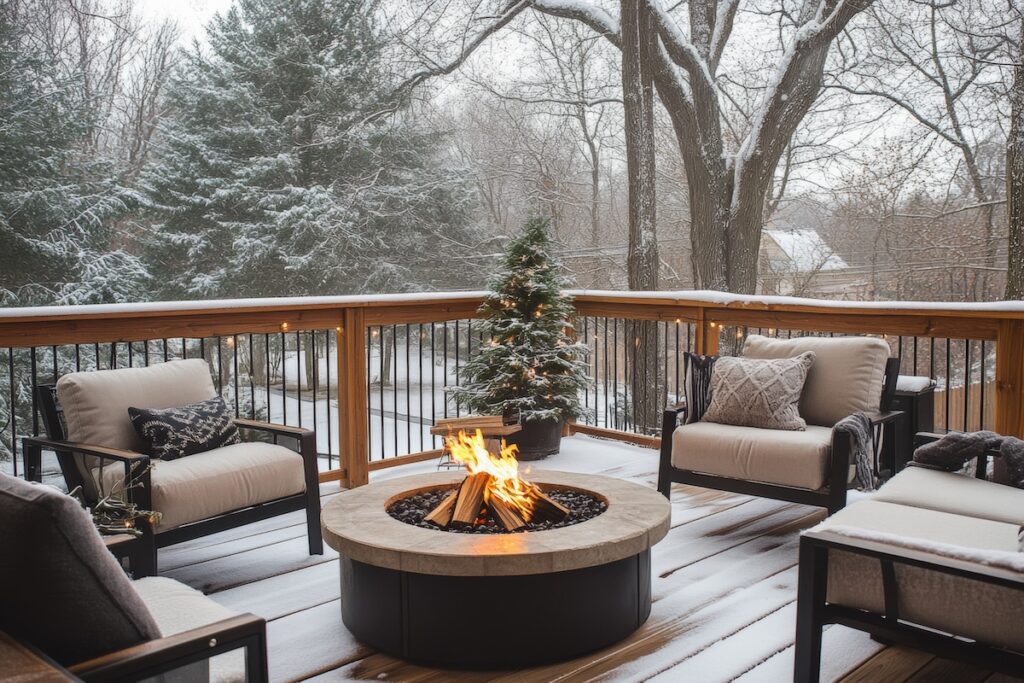
Colorado winters are hard on outdoor spaces.
One week, it feels like fall. The next week, snow is sitting on your deck, the patio furniture is frozen in place and the grill cover is somewhere in the neighbor’s yard.
That is why winter prep matters.
A good outdoor living space is built to handle Colorado weather, but it still needs care. Decks, patios, outdoor kitchens, lighting, landscaping and drainage systems all work better when they are cleaned, checked and protected before winter settles in.
The goal is not to overcomplicate it.
The goal is to protect what you have, prevent avoidable damage and make spring easier.
Start with a full walk-through
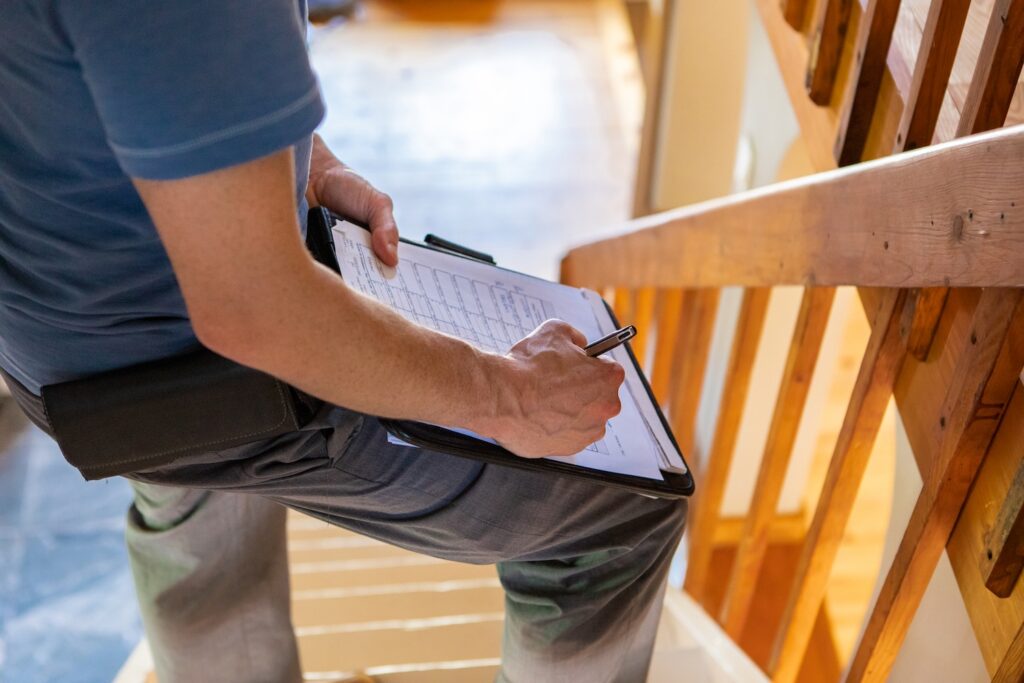
Before you clean anything or put furniture away, take 15 minutes and walk the whole space.
Look at your deck, patio, stairs, railings, planters, lighting, drainage areas, outdoor kitchen and landscaping beds. You are not trying to inspect it like a contractor. You are simply looking for anything that seems loose, cracked, clogged, unsafe or out of place.
Ask a few simple questions:
Where is water collecting?
Are any boards loose?
Are railings still solid?
Are pavers shifting?
Are stairs safe?
Are drains clear?
Are lights working?
Is furniture sitting where snow or ice will pile up?
This small step helps you catch problems before winter makes them worse.
Colorado weather has a way of turning small issues into spring repairs.
Clean your deck before snow arrives
Your deck takes a lot of abuse during the year.
Sun. Dirt. Food. Leaves. Hail. Snow. Ice. Foot traffic. Furniture. Planters. Grill grease.
Before winter, give your deck a good cleaning. Remove leaves, sticks, dirt and anything trapped between boards. Debris holds moisture, and moisture sitting against the deck for months is never helpful.
For composite decks, use the manufacturer-recommended cleaner or mild soap and water. For wood decks, avoid harsh pressure washing unless you know the surface can handle it. Too much pressure can damage the wood and create more problems.
Pay attention to corners, stair treads and areas around planters. These spots tend to hold dirt and moisture.
A clean deck is not just about appearance.
It helps the surface dry better after snow and reduces the chance of staining, mildew and unnecessary wear.
Check railings, stairs and fasteners
Winter is not the time to discover a loose railing.
Snow, ice and freezing temperatures can make even simple movement more dangerous. Before winter, check railings, steps, stair stringers and visible fasteners.
Look for movement.
Listen for creaks.
Check for soft spots.
Notice any areas that feel different than they did last season.
This matters even more if your deck is older or if you have been wondering whether it is still safe. If something feels loose, unstable or questionable, it is worth having it looked at before snow and ice make the issue harder to see.
For many homeowners, this is also the time to think about whether a deck repair or replacement should be part of the spring plan.
You do not need to make that decision today.
But you do want to know what you are dealing with.
Protect patio furniture and cushions
Patio furniture can take a beating in Colorado.
Snow sits on it. Sun fades it. Wind moves it. Ice gets into cracks. Cushions absorb moisture and may not fully dry for weeks.
Before winter, clean your furniture and cushions, then store what you can.
Cushions should be brought inside or placed in a dry, protected storage box. Furniture should be covered or moved into a shed, garage or covered area. If furniture stays outside, use breathable covers that fit well and can be secured.
Do not forget smaller items.
Umbrellas, rugs, pillows, planters, side tables and décor can all become winter problems if they are left out.
A little cleanup now saves money later.
It also makes your patio feel less like a forgotten space when spring comes back.
Winterize your outdoor kitchen
If you have an outdoor kitchen, winter prep is especially important.
Start by cleaning the grill, burners, counters, cabinets and storage areas. Remove food, grease and anything that could attract pests. Then shut off and protect water lines, gas lines and appliances based on manufacturer guidance.
If your outdoor kitchen has a sink, refrigerator, ice maker or water feature, those systems need to be winterized before freezing temperatures hit.
This is one area where guessing can get expensive.
Frozen lines, damaged appliances and cracked fixtures are not the kind of surprise anyone wants in March.
A good outdoor kitchen should make hosting easier, not create a spring repair list.
Clear patios, walkways and paver areas
Your patio and walkways should be clean before winter.
Remove leaves, dirt, weeds and debris from paver joints and edges. If water is already pooling in certain areas, make a note of it. Freeze-thaw cycles can make uneven surfaces worse over time.
Also check for loose pavers, sunken areas or spots that have shifted.
A small dip in the patio may not seem like a big deal in October. But once snow melts, refreezes and collects in the same place all winter, that small dip can become a bigger issue.
Patios and walkways should help people move safely through the yard.
If they are uneven, slick or poorly drained, winter will usually expose the problem.
Pay attention to drainage
Drainage is one of the most important parts of winter prep.
It is also one of the easiest things to overlook.
Before winter, make sure water can move away from the home, deck, patio and foundation. Clear leaves from drains, window wells, downspouts and low spots. Make sure downspout extensions are pointed away from the house.
Look at the slope of the yard.
Where does water go when snow melts?
Does it run toward the house?
Does it collect against the patio?
Does it sit under the deck?
Does it pool near stairs or walkways?
Poor drainage can lead to ice buildup, shifting pavers, erosion, foundation concerns and damage to landscape beds. In foothills areas, drainage and erosion can become even more important because of slope, access and runoff.
A beautiful yard still needs to move water correctly.
That is why drainage should be part of any larger outdoor living design, not something added after the fact.
Trim plants and clean landscape beds
Your landscaping needs a winter reset, too.
Remove dead annuals, clean up fallen leaves and cut back plants where appropriate. Not every plant should be cut back the same way, so be thoughtful. Some perennials and grasses provide winter interest and habitat. Others are better cleaned up before snow.
In a water-wise landscape, fall is also a good time to check mulch levels, drip lines, edging and plant health.
Look for plants that struggled during the summer.
Look for areas that stayed too wet or too dry.
Look for beds that washed out after storms.
This is useful information for next year.
A good Colorado yard is not built by guessing. It is built by learning how the space actually behaves through each season.
Protect planters and pots
Planters can crack during winter if they hold water and freeze.
Before cold weather sets in, empty or move planters that are not rated for freezing temperatures. Ceramic, clay and some lightweight pots are especially vulnerable.
If large planters need to stay outside, make sure they can drain. Raise them slightly if needed so water does not sit underneath. Remove dead plants and consider whether the planter should be covered or relocated.
Planters can add a lot to a deck, patio or front entry.
But they can also trap moisture against surfaces if they sit in one place all winter.
That is especially important on wood decks.
Check outdoor lighting
Outdoor lighting becomes more important in winter.
The days are shorter. Walkways get icy. Stairs are harder to see. Guests arrive after dark. Trash runs happen in the cold.
Before winter, test your outdoor lights.
Check path lights, stair lights, deck lighting, patio lighting and any lights near doors or outdoor kitchens. Replace burned-out bulbs. Adjust fixtures that have shifted. Clear dirt or plant growth blocking the light.
Good lighting is not just about ambiance.
It helps with safety.
It also keeps your outdoor space usable, even when the season changes.
If lighting has always been an afterthought, it may be worth adding to your next backyard transformation plan.
Be careful with snow and ice removal
Not every snow tool belongs on your deck or patio.
Metal shovels can scratch deck boards and damage surfaces. Harsh ice melt products can also create problems, depending on the material.
Use a plastic shovel or broom when possible. Push snow with the direction of the boards instead of scraping across them. Avoid chopping ice directly on deck boards or pavers.
For ice melt, check product labels and manufacturer guidance. What works on a driveway may not be right for composite decking, wood decking, stone, concrete or pavers.
This is one of those simple habits that can protect your investment.
You do not need to baby your outdoor space.
But you do need to use the right tools.
Do not forget the grill
Many Colorado homeowners grill all year.
If that is you, set the grill up for safe winter use. Clean it well. Check hoses and connections. Keep it covered. Make sure it is positioned away from siding, railings and anything flammable.
If you will not use the grill until spring, clean it, cover it and store propane tanks safely.
Also think about access.
Can you safely reach the grill after a snowstorm?
Will snow slide off the roof or pergola onto that area?
Will melting snow refreeze around your cooking space?
Outdoor cooking should be convenient.
Not a slip-and-slide.
Make notes for spring projects
Winter prep is also a good time to plan ahead.
As you walk your yard, write down what is not working.
Maybe the deck feels too small.
Maybe the patio never gets used because it is too exposed.
Maybe the yard has no clear gathering space.
Maybe the lighting is poor.
Maybe water keeps moving toward the house.
Maybe the grass is dead every August.
Maybe the whole space feels unfinished.
Those notes matter.
They help you make a better plan when it is time to update the yard, replace the deck, add a patio, improve drainage or create a full ColoradoScaping design.
Most outdoor projects go better when they are planned before the busy season.
Spring comes fast in Colorado.
Winter prep is really about protecting the space you love
Your outdoor living space is part of your home.
It is where people gather. It is where you grill, relax, host, watch kids play, sit with coffee and enjoy the view. Even when winter slows things down, that space still deserves attention.
The good news is that winter prep does not have to be complicated.
Clean the deck.
Store the cushions.
Check the railings.
Clear the drains.
Protect the outdoor kitchen.
Look for problem areas.
Make a plan for spring.
That simple process can help your yard, deck and patio come through winter in better shape.
Ready to make your outdoor space work better year-round?
Colorado outdoor spaces should be built for real life.
That means sun, snow, hosting, drainage, maintenance, safety and long-term use all need to be part of the plan.
Colorado Deck helps homeowners create outdoor spaces that fit Colorado living — from decks and patios to outdoor kitchens, water-wise landscaping, hardscapes, lighting, drainage and complete outdoor living designs.
Your yard should not feel like something you have to fight every season.
It should feel like part of your home.
Contact Colorado Deck to start planning an outdoor living space that works in every season.