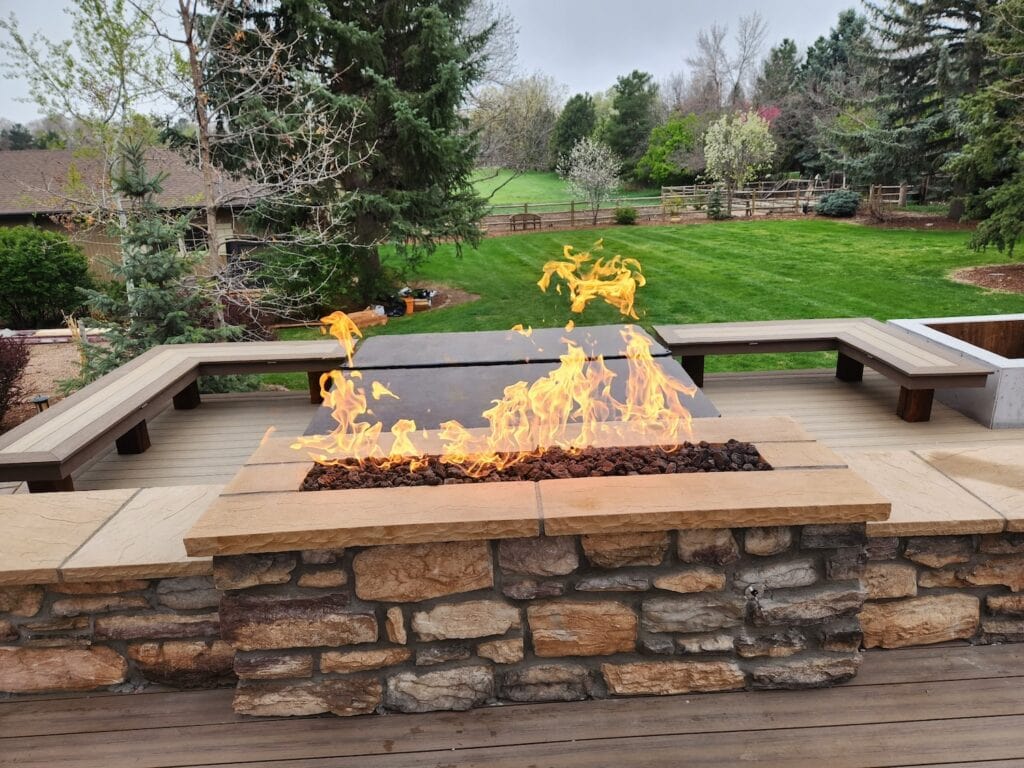
A beautiful Colorado summer evening. Friends gathered around the table, the grill going and everyone enjoying the outdoors. It’s easy to imagine what your new deck could make possible.
But if you’re hoping to enjoy that space next summer, when should you actually start planning?
The answer might surprise you.
At Colorado Deck and Landscape, we’ve been helping Colorado homeowners create outdoor spaces since 1984. One thing we’ve learned is that a successful deck project starts well before the first board is installed.
Design choices, permits, materials, weather and contractor schedules all play a role in determining when your new deck will be ready.
While the actual construction may take just a week or two for a straightforward project, the preparation can take considerably longer.
That’s why we encourage homeowners to start planning three to six months before they want their deck completed, particularly if they’re hoping to have it ready for spring or summer.
Let’s look at what goes into that timeline and how planning ahead can make the entire experience easier.
1.Start With How You Want to Use Your Outdoor Space
Before choosing materials, colors or even the size of your deck, there’s an important question to answer:
What do you want your outdoor space to do for you?
Maybe you want more room to entertain friends and family. Perhaps your existing deck needs replacing, or you’ve always wanted an outdoor kitchen, a shaded seating area or a place to relax after work.
Those goals should guide the design.
A simple deck replacement may require fewer decisions than a completely new outdoor living space that includes lighting, landscaping, stairs or multiple levels.
During the initial consultation, we discuss how you want to use the space, your budget, the size and height of the proposed deck, and any additional features you’re considering.
We also look at how the deck will connect to your home and the surrounding landscape.
These conversations help ensure the finished deck fits the way you live rather than simply filling an available space.
Planning tip: Start gathering ideas about three to six months before you’d like your project completed. Photos, rough measurements and a general budget are helpful starting points, but you don’t need a finished design before talking with a professional.
2. Allow Time for Design, Estimates and Material Selection
Once you have a vision for your outdoor space, the next step is turning that idea into a practical design.
This is where details start to matter.
How large should the deck be? Where should the stairs go? What type of railing would complement your home? Would built-in lighting make the space more useful in the evening?
And perhaps one of the biggest decisions: What material should you choose?
Traditional wood and composite decking offer different advantages, price points and maintenance requirements.
For example, Trex composite decking provides a low-maintenance option for homeowners who want the appearance of wood without routine staining or sealing.
Your material choice can influence the budget, appearance, long-term maintenance and overall design of the deck.
At Colorado Deck and Landscape, we visit your home before preparing an accurate project estimate. Depending on project complexity and our workload, developing that estimate may take a few days or one to two weeks.
That time helps us understand the site and prepare a proposal based on your specific needs.
You can learn more about our approach through our deck planning and installation process.
Planning tip: Allow several weeks for consultation, design decisions, proposal review and any revisions. Complex projects may need more time.
3. Permits and HOA Approvals Can Affect Your Timeline
One of the most commonly overlooked parts of planning a new deck is obtaining the necessary approvals.
Many homeowners understandably focus on the construction itself. But depending on where you live, your deck may require a building permit before work can begin.
Some municipalities have exceptions for certain smaller or lower decks, but requirements vary by location, size, height and structural design.
For example, the city of Aurora’s Building Division provides information about local permits, plan reviews and inspections.
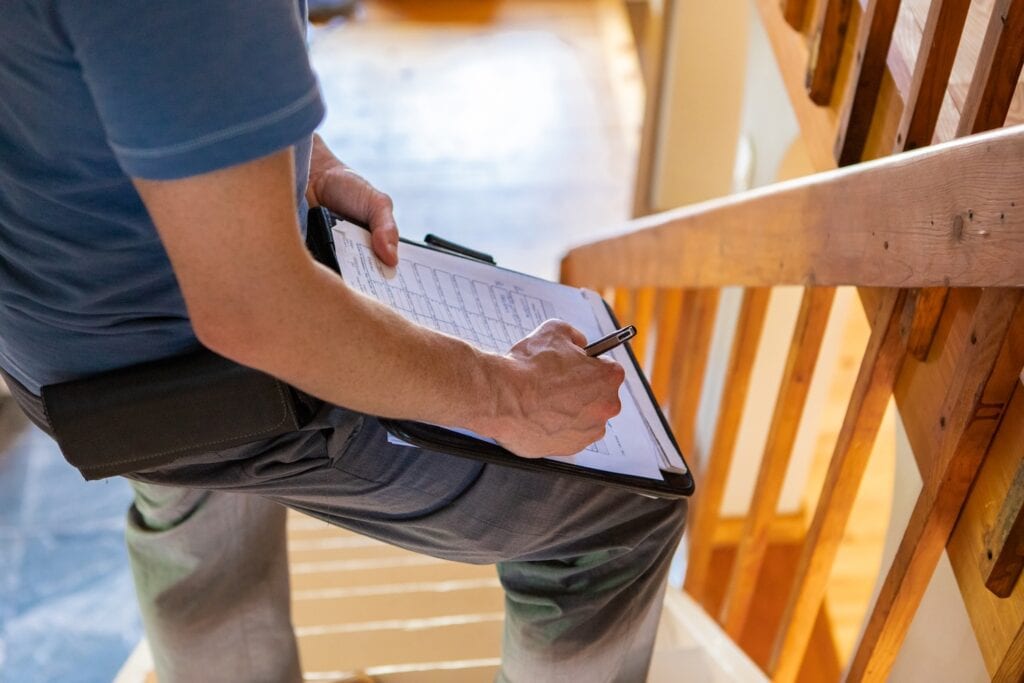
The city reviews plans and construction documents for compliance with applicable building requirements. Depending on the project, additional information or corrections may be necessary before a permit is issued.
That review is important because a properly designed and permitted deck helps protect your home’s safety and long-term value.
If your neighborhood has a homeowners association, you’ll also want to understand its approval process.
Some associations review deck size, location, materials, colors and other design features.
At Colorado Deck and Landscape, we help prepare and submit the necessary building permit documents, although permit fees and related preparation costs are separate from the initial estimate.
HOA approval remains the homeowner’s responsibility, but we’re happy to help with the information needed for that review.
Planning tip: Don’t assume permits or HOA approval will happen immediately. Start these conversations early so they don’t become the reason your project is delayed.
4. Material Availability and Special Features Matter
Once your design is taking shape, it’s time to think about the materials that will bring it to life.
The availability of decking boards, railings and other materials can influence when construction begins.
Standard materials may be easier to obtain, while certain colors, specialty railings or custom components may require additional lead time.
If you’re considering a more elaborate outdoor living space, the list of materials can grow quickly.
Features such as pergolas, privacy screens, lighting, outdoor kitchens and built-in seating may require additional planning, coordination or specialized products.
None of that means you should avoid those features.
It simply means that making decisions earlier gives you more flexibility.
It also reduces the likelihood of having to compromise on a design choice because a preferred product isn’t available when construction is scheduled.
Planning tip: Make your major material and feature selections before finalizing the construction schedule. Ask about current availability rather than assuming everything can be delivered immediately.
5. Contractor Scheduling and Colorado Weather
Colorado homeowners know our weather doesn’t always follow the calendar.
A warm February afternoon can feel like spring, while an unexpected April snowstorm reminds us that winter isn’t necessarily finished.
Weather can influence site conditions, excavation, concrete work and other construction activities.
However, that doesn’t mean deck construction is limited to the warmer months.
At Colorado Deck and Landscape, we install decks and landscaping throughout the year.
That gives homeowners flexibility when considering when to schedule their projects.
Spring and summer are popular times for outdoor improvements, which can also make scheduling more competitive.
If you’re hoping to have a deck ready for a graduation party, family gathering or the beginning of summer, it’s a good idea to begin discussions well ahead of that date.
Planning during the fall or winter can be a practical option for homeowners who want to get their design and approvals underway before the busy outdoor living season.
Planning tip: If your goal is to enjoy your new deck by Memorial Day, don’t wait until April to start asking for estimates. Begin the conversation during the preceding fall or winter whenever possible.
6. Construction May Be the Shortest Part of the Process
Here’s something many homeowners don’t realize: Once the design is finalized, permits are approved, materials are available and the project is scheduled, construction itself may move relatively quickly.
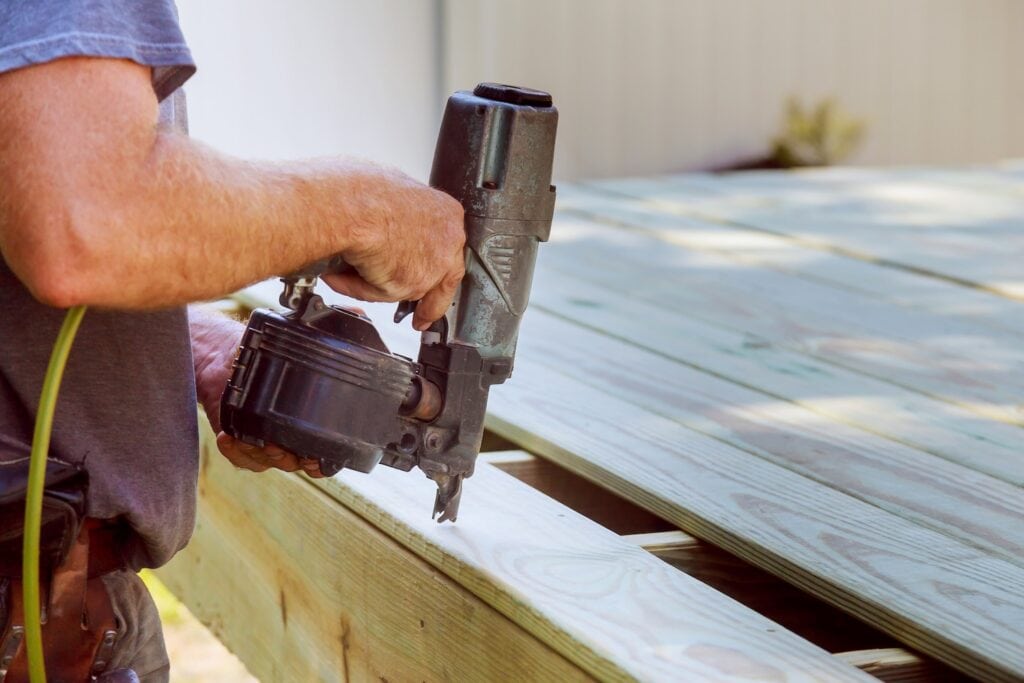
At Colorado Deck and Landscape, a typical deck installation may take approximately one to two weeks.
That timeframe depends on the size and complexity of the project, weather conditions, site access and the work involved.
A straightforward deck replacement is different from creating a multilevel outdoor living space with custom railings, a pergola and integrated landscaping.
Before construction begins, we review project details, material delivery, access to the property and other logistics that help the process run smoothly.
It’s also important to remember that construction sites require appropriate safety precautions, particularly for children and pets.
Once construction is complete, the necessary final building inspection must be scheduled.
That final step helps confirm the work meets applicable requirements before the project is fully closed out.
Planning tip: Don’t confuse construction time with total project time. Ask about the entire process, from your first consultation through final inspection.
7. A Practical Timeline for Planning Your New Deck
Every project is different, but here’s a helpful way to think about the process.
Three to six months before your goal
Start planning your outdoor space.
Think about how you want to use it, gather inspiration, consider your budget and schedule an initial consultation.
For more complicated projects, allowing additional time is a good idea.
Two to four months before your goal
Work through design options, material selections and estimates.
Once the project is approved, the necessary drawings and permit applications can be prepared. HOA approval should also be addressed if required.
One to three months before your goal
Ideally, final plans and approvals are progressing or complete, materials are being coordinated and construction scheduling is taking shape.
The actual timing will depend on permit review, contractor availability and product lead times.
Construction and final inspection
Once everything is ready, the installation can begin.
Depending on the scope, construction may take approximately one to two weeks, followed by any required final inspections.
These planning windows are recommendations, not guaranteed lead times. Some projects move faster, and others take longer.
The important point is that starting early provides room for decisions, approvals and unexpected changes without creating unnecessary pressure.
8. Why Planning Ahead Is Worth It
Planning early isn’t simply about getting on a contractor’s schedule.
It’s about making better decisions.
When homeowners feel rushed, it’s easier to overlook important details, choose materials without fully exploring the options or settle for a design that doesn’t quite meet their needs.
Starting earlier gives you the opportunity to:
- Consider different layouts and how they fit your home.
- Compare material options and long-term maintenance.
- Understand the full project budget.
- Address permits and HOA requirements.
- Coordinate deck construction with landscaping or other improvements.
- Prepare for special events or seasonal goals without relying on a last-minute schedule.
Most importantly, you have time to create the space you actually want.
Your deck should serve your home and family for years to come. Taking a little more time at the beginning can make a meaningful difference in the finished result.
Frequently Asked Questions About Planning a Deck in Colorado
How far in advance should I contact a deck contractor?
We recommend starting three to six months before your preferred completion date. Smaller, simpler projects may require less planning time, while custom outdoor living spaces may take longer.
What is the best time of year to build a deck in Colorado?
Decks can be installed throughout the year, depending on weather and site conditions. Fall and winter can be good times to begin planning for spring or summer use. Colorado Deck and Landscape offers year-round installation.
How long does it take to build a deck?
A typical installation may take one to two weeks once the project is ready for construction. Larger projects, specialty features, weather and site conditions can extend that timeframe.
Do I need a permit to build a deck in Colorado?
Many deck projects require a building permit, although exceptions vary by municipality and project design. Your local building department can confirm the requirements for your property. Colorado Deck and Landscape helps homeowners prepare and submit the necessary permit documents.
Can I build a deck during the winter in Colorado?
Yes, deck construction can take place during the winter when weather and site conditions allow. Snow, frozen ground and other conditions can affect certain construction activities, so flexibility is important.
Should I plan my deck and landscaping together?
If you’re considering improvements to both areas, planning them together can be beneficial. It helps coordinate elevations, stairs, pathways, drainage, lighting and how people move through the outdoor space.
For additional information, visit our frequently asked questions.
The Best Time to Start Planning Is Before You’re Ready to Build
A great deck can change the way you experience your home.
It becomes a place for family dinners, entertaining friends, enjoying Colorado’s beautiful evenings or simply stepping outside to relax.
But creating that space takes more than choosing the right materials and finding an available contractor.
It takes planning.
Starting early allows you to explore your options, understand the process and make thoughtful decisions about your investment.
At Colorado Deck and Landscape, we’ve been helping homeowners throughout the greater Denver area create beautiful outdoor spaces since 1984.
Whether you’re planning a simple deck replacement or a completely new outdoor living environment, we’re here to help you understand your options and bring your vision to life.
You imagine it. We create it.
Learn more about our deck building process or contact Colorado Deck and Landscape to begin planning your project.
Call 303-344-DECK (3325) to request a free estimate.